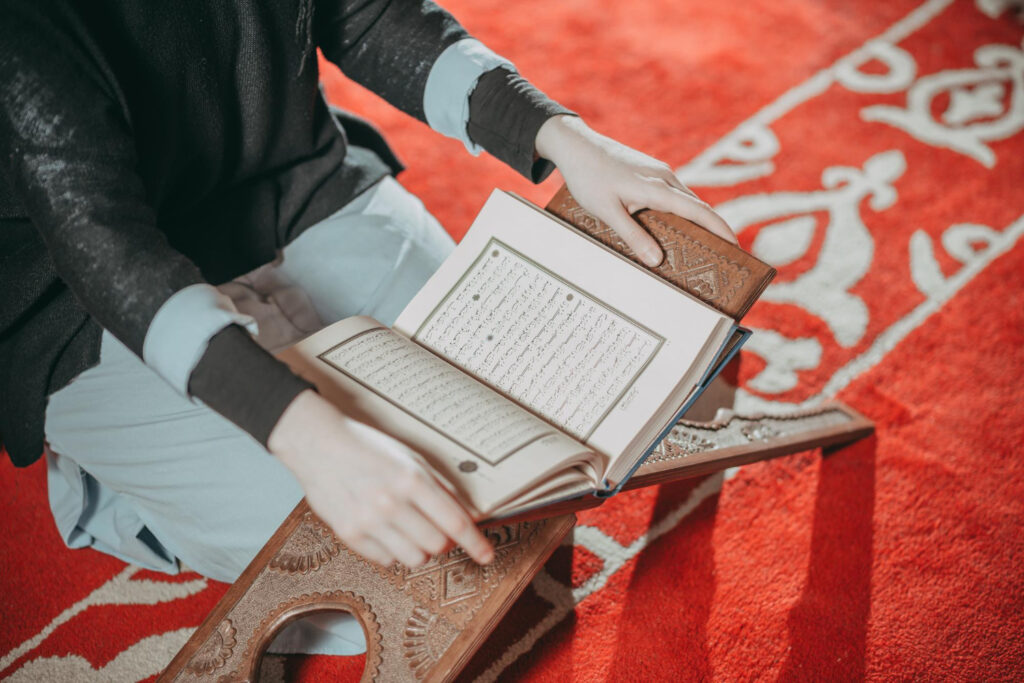
Self-Ruqya Guidance in Kerala — Learn to Practise at Home
Self-Ruqya means reciting Qur’an and authentic supplications for yourself, asking Allah alone for healing and protection. Ruqiya Wellness offers Self-Ruqya guidance in Manjeri, Malappuram, Kerala, to help you understand permitted practices and begin with clarity.
You do not need a practitioner for every recitation. Our aim is to support informed, independent practice without secret rituals or promises of recovery.
What Does Self-Ruqya Guidance Include?
Guidance covers selected Qur’anic verses, authentic du‘a and daily adhkar, with explanations of their sources and appropriate use. You can ask questions about recitation, meaning and the difference between permitted Ruqya and misleading practices.
- Learn a simple approach to reciting for yourself.
- Understand why supplication is directed to Allah alone.
- Recognise methods involving talismans, unknown symbols, jinn assistance or fear-based pressure.
- Understand the limits of spiritual guidance and when professional healthcare is needed.
A Qur’an and Sunnah-Based Foundation
Permitted Ruqya must be free from shirk. Sahih Muslim 2200 records the Prophet ﷺ permitting Ruqya that contains no shirk. Qur’an 17:82 describes the Qur’an as healing and mercy for believers.
These religious foundations do not give a practitioner control over healing or knowledge of the unseen. Healing comes from Allah alone; we do not guarantee outcomes, recovery dates or a fixed number of sessions.
How Can I Begin at Home?
Begin by learning a clearly sourced practice and reciting with reliance upon Allah. Keep the approach understandable, without adding secret words or treating an invented routine as an obligation.
A Sunnah Practice Before Sleep
Sahih al-Bukhari 5017 describes the Prophet ﷺ reciting Al-Ikhlas, Al-Falaq and An-Nas, gently blowing into his cupped hands and wiping over his body, beginning with the head, face and front of the body. He repeated this three times before sleep.
This is a specific reported practice, not a promise of recovery within three days or three sessions. For further explanation, read our Self-Ruqya guide in Malayalam.
Our Boundaries and Your Wellbeing
Ruqiya Wellness does not use talismans, jinn assistance, unknown chants or any form of shirk. You should understand what is being advised and be free to ask questions or stop a session.
An emotional or physical reaction during recitation does not by itself establish sihr, evil eye or jinn involvement. We do not use such reactions to accuse family members or other people.
Continue Medical and Psychological Care
Self-Ruqya is spiritual practice and does not replace medical diagnosis, medication, psychological assessment or professional treatment. Do not stop or change prescribed medication without consulting your treating clinician.
Persistent or worsening symptoms need appropriate professional assessment. Seek emergency care for urgent physical symptoms or an immediate mental health crisis. You can seek healthcare while continuing permitted recitation and du‘a.
Arrange Self-Ruqya Guidance in Kerala
Contact Ruqiya Wellness in Manjeri, Malappuram, to discuss what you would like to learn. Confirm availability, format, duration and fees before booking. If attending in person is difficult, ask about online Ruqya consultation.
You are welcome to start with the free learning articles before deciding whether individual guidance is useful for you.
Frequently asked questions
Self-Ruqiya is the practice of reciting Qur’anic verses and authentic supplications upon oneself, seeking healing and protection directly from Allah.
It strengthens personal reliance upon Allah and encourages consistency in worship, remembrance, and spiritual discipline.
No. Guidance is provided in a clear and simple manner, making it accessible to individuals of all levels of understanding.
There is no single compulsory timetable for every form of Self-Ruqya. Follow authentically reported timings and counts for specific practices, such as the bedtime recitation described above. Do not treat an invented number of days or sessions as a religious requirement or a guarantee of recovery.