

What is Ruqiya? Ruqiya—also commonly written as Ruqya, Rukiya, Roqya, or Ruqyah—is an Islamic spiritual practice. It uses verses of the Qur’an and authentic supplications taught by Prophet Muhammad ﷺ. Muslims perform Ruqiya while seeking healing, protection, comfort, and relief from Allah alone. However, Ruqiya is not magic, a secret ritual, or a supernatural power possessed by a healer. It is a lawful form of du‘ā, Qur’anic recitation, remembrance of Allah, and reliance upon Him.
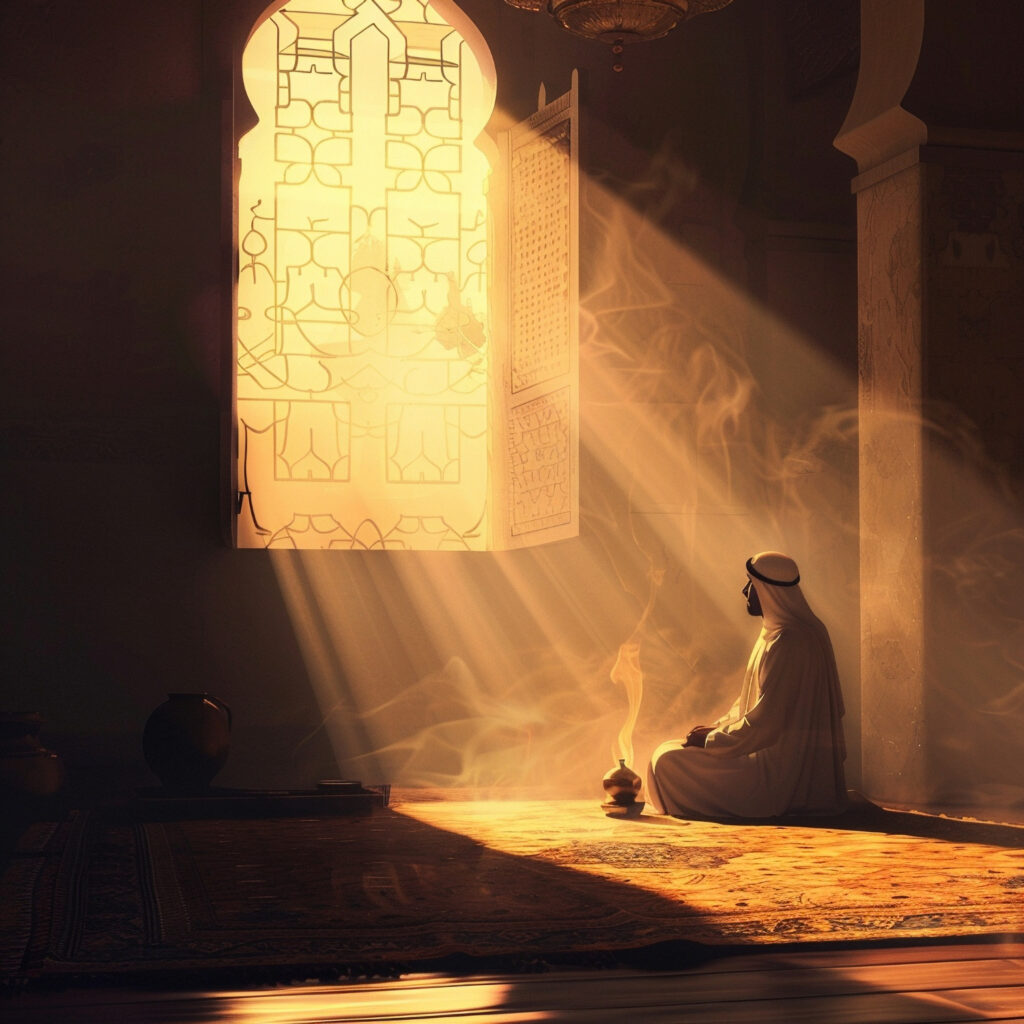
What Is Ruqiya According to Islam?
The Arabic word ruqya refers to words recited for protection or healing. Muslims should base permissible Ruqiya on the Qur’an, authentic du‘ā, and clear words free from shirk. The person performing Ruqiya does not independently heal anyone. Instead, healing belongs completely to Allah. Recitation and supplication are lawful means through which a believer seeks His mercy.
The Qur’an describes itself as healing and mercy for believers in Surah Al-Isrā’ 17:82. The Prophet ﷺ also permitted Ruqiya that contains no shirk, as recorded in Sahih Muslim. These principles establish a clear foundation: authentic Islamic Ruqiya strengthens tawḥīd, never compromises it.
What Authentic Islamic Ruqiya Includes
- Recitation of clear verses from the Qur’an.
- Authentic supplications taught in the Sunnah.
- Seeking protection and healing only from Allah.
- Sincere du‘ā, daily adhkār, repentance, prayer, and tawakkul.
- Clear explanations, ethical boundaries, privacy, and respect.
- Encouragement to perform self-Ruqiya and remain consistent in worship.
A Muslim may recite Ruqiya for themselves and their family. A person may also seek guidance from a trustworthy practitioner whose methods remain within the Qur’an and authentic Sunnah. The practitioner is only a means of guidance; no person can promise a cure or claim knowledge of the unseen.
How to Identify Genuine Ruqiya
Genuine Ruqiya is clear, transparent, and centred on worshipping Allah alone. During it, a person recites Qur’anic verses and authentic supplications openly. In addition, genuine Ruqiya encourages the individual to pray, make du‘ā, recite the Qur’an, maintain morning and evening adhkār, and correct harmful beliefs or practices.
For example, be cautious when someone asks for a person’s name together with their mother’s name. Other warning signs include unknown symbols, talismans, amulets, secret formulas, claims of jinn assistance, unusual sacrifices, or guaranteed promises. Such practices are not part of authentic Ruqiya and may involve deception, superstition, or shirk.
Ruqiya, Sihr, ‘Ayn, Hasad, and Waswas
People often search for Ruqiya because they worry about sihr, the evil eye (‘ayn), jealousy (hasad), waswas, fear, disturbing dreams, family conflict, or unexplained distress. Islam recognises spiritual protection and teaches believers to seek refuge in Allah. At the same time, people should not automatically attribute every physical, emotional, marital, or financial difficulty to jinn, sihr, or the evil eye.
A balanced assessment considers spiritual, medical, psychological, relational, and practical factors. Fear-based conclusions can increase anxiety and prevent a person from addressing the real causes of a problem. Authentic Ruqiya should bring a person closer to Allah, promote clarity and responsibility, and avoid creating dependence on a practitioner.
Is Ruqiya a Replacement for Medical Treatment?
No. Ruqiya is a spiritual practice, but it should not replace medical assessment, prescribed treatment, psychological support, or emergency care when a person needs them. Islam encourages believers to use lawful spiritual and practical means together. Therefore, a person can continue Qur’anic recitation and du‘ā while consulting qualified healthcare professionals about physical or mental-health symptoms.
Treat statements such as “stop your medicine,” “do not see a doctor,” or “your condition is definitely caused by jinn” with caution. A responsible Ruqiya practitioner respects professional healthcare. They do not diagnose medical or psychiatric illness without the relevant qualifications.
Self-Ruqiya and Daily Spiritual Protection
Self-Ruqiya is an important and accessible practice. A person may recite Al-Fātiḥah, Āyat al-Kursī, the final verses of Surah Al-Baqarah, and Surahs Al-Ikhlāṣ, Al-Falaq, and An-Nās, along with authentic prophetic supplications. Consistency in the five daily prayers, morning and evening adhkār, repentance, and avoiding prohibited practices are central to spiritual well-being.
Do not measure Ruqiya only by dramatic reactions. Calmness, stronger faith, improved worship, greater understanding, and the ability to face difficulties responsibly can also show meaningful progress. Ultimately, results occur only by Allah’s will, and no practitioner can guarantee them.
Authentic Ruqiya Guidance in Kerala
Ruqiya Wellness offers Qur’an and authentic Sunnah-based spiritual and holistic healing guidance and professional counselling in Manjeri, Malappuram, Kerala. Our approach emphasizes tawḥīd, confidentiality, ethical boundaries, balanced assessment, and complete reliance upon Allah. We do not use talismans, amulets, secret mantras, unknown symbols, or jinn assistance.
Those seeking support can explore our Ruqiya services or contact Ruqiya Wellness for confidential guidance.
Frequently Asked Questions About Ruqiya
Is Ruqiya permissible in Islam?
Yes. Islam permits Ruqiya that uses Qur’anic verses, authentic supplications, and permissible words, provided it remains free from shirk and prohibited practices.
Can I perform Ruqiya on myself?
Yes. Islam permits and encourages Self-Ruqiya. A Muslim can recite the Qur’an and authentic du‘ā while seeking protection and healing directly from Allah.
Are Ruqya, Ruqyah, Rukiya, and Roqya different?
No. These are common English spellings of the same Arabic term, الرقية. “Ruqyah” and “Ruqya” are widely used transliterations, while “Rukiya” and “Roqya” often appear in online searches.
Does Ruqiya guarantee immediate healing?
No. Healing occurs only by Allah’s will. No ethical practitioner should promise immediate or guaranteed results.
How do I avoid false Ruqiya practitioners?
Avoid anyone who uses unclear rituals, amulets, talismans, unknown writing, jinn assistance, fear-based pressure, or guaranteed claims. Choose transparent guidance rooted in the Qur’an, authentic Sunnah, and sound Islamic belief.
Read the complete Malayalam Ruqiya guide.